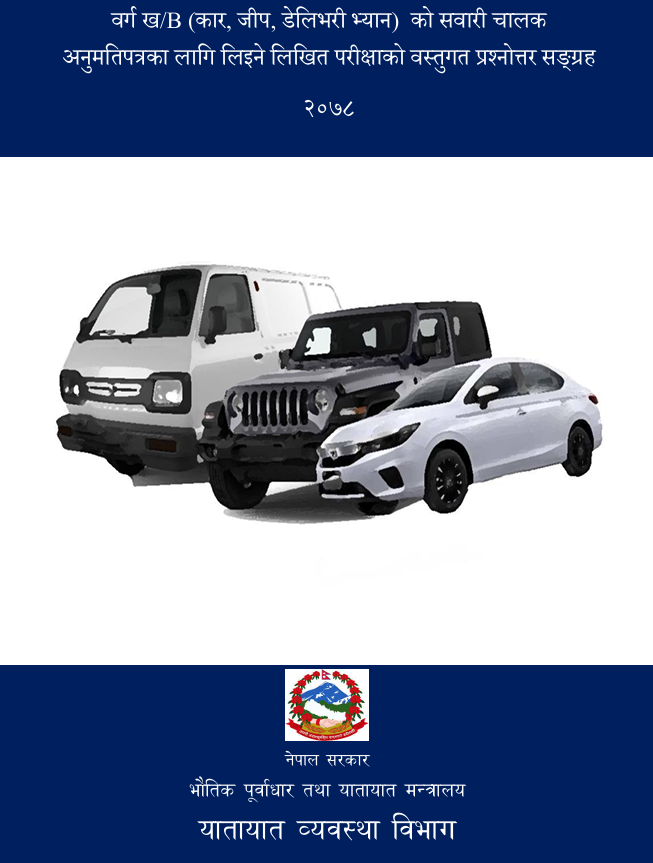
Nepal Driving License Exam: Written Questions for Excavator
Getting an excavator license in Nepal is an important step for anyone planning to work in construction, road development, or heavy equipment operation. The written exam is designed to test your theoretical knowledge before you move on to the practical test. Understanding the types of questions asked can significantly increase your chances of passing.
Overview of the Excavator License Exam in Nepal
In Nepal, the Department of Transport Management (DoTM) conducts the driving license exams. For heavy equipment like excavators, the process usually includes:
- Written (theory) exam
- Practical (trial) test
The written exam focuses on safety, machine operation, maintenance, and traffic-related rules.
Common Topics in Excavator Written Exam
The written test questions are usually based on the following areas:
1. Basic Knowledge of Excavator
- What is an excavator used for?
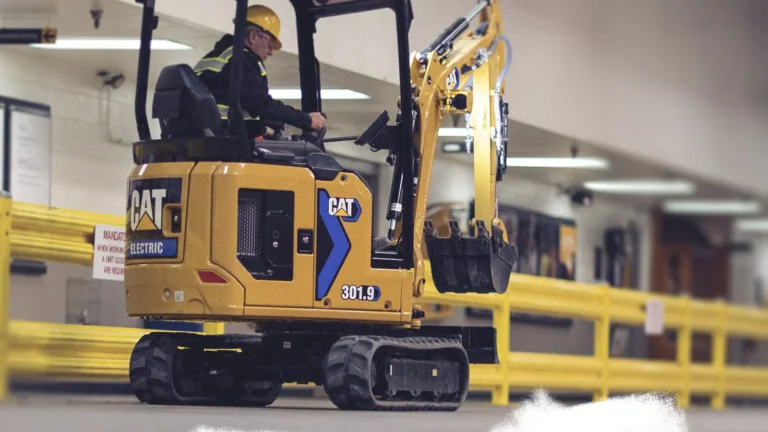
- Types of excavators (crawler, wheeled, mini excavators)
- Main parts of an excavator (boom, arm, bucket, cabin, tracks)
2. Safety Measures
- Importance of wearing PPE (helmet, gloves, safety boots)
- Safe distance from trenches and edges
- Checking surroundings before operation
- Emergency procedures
3. Machine Operation
- Starting and stopping procedures
- Proper handling of controls
- Load limits and balance
- Working on slopes and uneven surfaces
4. Maintenance and Inspection
- Daily inspection checklist
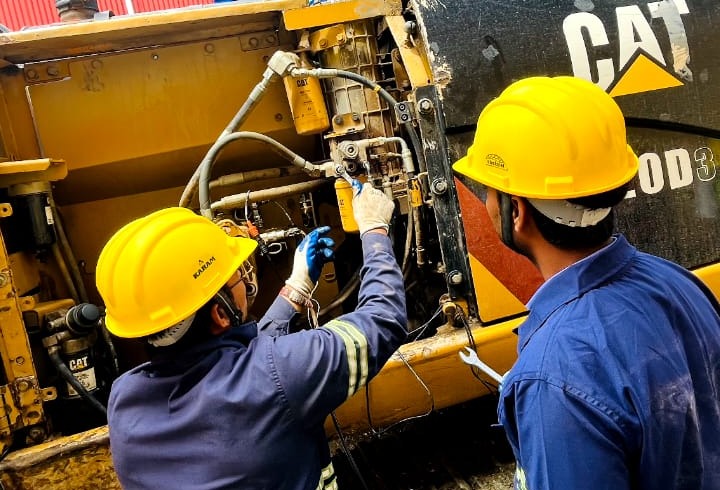
- Checking hydraulic oil, engine oil, coolant
- Identifying leaks or unusual sounds
- Importance of regular servicing
5. Traffic Rules and Signals
Even though excavators are mostly used off-road, operators must understand:
- Basic traffic signs
- Road safety rules
- Right of way
- Use of signals and indicators when moving on roads
Sample Written Questions for Excavator License
Here are some commonly asked or similar types of questions:
Multiple Choice Questions (MCQs)
- What is the primary function of an excavator?
a) Lifting passengers
b) Digging and earthmoving
c) Transporting goods
d) Road sweeping
Answer: b) Digging and earthmoving - Which part of the excavator is used to dig?
a) Boom
b) Arm
c) Bucket
d) Track
Answer: c) Bucket - Before starting an excavator, what should you check first?
a) Fuel level only
b) Machine condition and surroundings
c) Weather condition
d) Operator seat
Answer: b) Machine condition and surroundings - What should you do if you notice hydraulic oil leakage?
a) Ignore it
b) Continue working
c) Stop the machine and report
d) Add water
Answer: c) Stop the machine and report - PPE stands for:
a) Personal Power Equipment
b) Personal Protective Equipment
c) Public Protection Equipment
d) Private Protection Equipment
Answer: b) Personal Protective Equipment
Short Answer Questions
- What are the main parts of an excavator?
- Why is daily inspection necessary?
- What precautions should be taken while working near slopes?
- How do you ensure safety at a construction site?
Tips to Pass the Written Exam
Passing the written exam is not difficult if you prepare well. Here are some practical tips:
- Study basic machine parts and their functions
- Understand safety rules thoroughly
- Practice sample MCQs regularly
- Learn common traffic signs
- Focus on real-life operation scenarios
डोजर (Bulldozer) लाइसेन्स परीक्षा – MCQ (Nepali)
भाग १: आधारभूत जानकारी
- डोजर केका लागि प्रयोग हुन्छ? a) मानिस बोक्न b) माटो धकेल्न c) पानी तान्न d) सामान उठाउन उत्तर: b
- डोजरको मुख्य भाग कुन हो? a) Blade b) Tyre c) Steering d) Seat उत्तर: a
- डोजर कस्तो उपकरण हो? a) हल्का b) भारी c) सानो d) घरेलु उत्तर: b
- Blade को काम के हो? a) काट्ने b) धकेल्ने c) तान्ने d) उठाउने उत्तर: b
- Ripper को प्रयोग केका लागि हुन्छ? a) नरम माटो b) कडा माटो फोड्न c) पानी निकाल्न d) रंग गर्न उत्तर: b
भाग २: सुरक्षा
- PPE को अर्थ के हो? a) Personal Protective Equipment b) Public Power Equipment c) Private Protection Engine d) None उत्तर: a
- काम गर्दा हेल्मेट किन लगाइन्छ? a) देखाउन b) सुरक्षाका लागि c) सजावट d) तातोका लागि उत्तर: b
- Blind spot के हो? a) देखिने ठाउँ b) नदेखिने क्षेत्र c) सुरक्षित क्षेत्र d) खुला क्षेत्र उत्तर: b
- डोजर चलाउँदा के जाँच गर्नुपर्छ? a) Fuel b) Oil c) वरिपरि d) सबै उत्तर: d
- असुरक्षित अवस्थामा के गर्ने? a) काम जारी b) रोक्ने c) बेवास्ता d) हिँड्ने उत्तर: b
-
भाग ३: सञ्चालन
- डोजर सुरु गर्नु अघि के गर्ने? a) सुत्ने b) जाँच गर्ने c) दौडने d) फोन गर्ने उत्तर: b
- उकालोमा कसरी चलाउने? a) छिटो b) बिस्तारै c) दौडाएर d) आँखा बन्द उत्तर: b
- डोजर रोक्ने सही तरिका? a) अचानक b) बिस्तारै c) उफ्रेर d) बन्द नगरी उत्तर: b
- सन्तुलन किन आवश्यक? a) सुन्दरता b) सुरक्षा c) रंग d) गति उत्तर: b
- Engine बन्द कहिले गर्ने? a) काम पछि b) काम अघि c) बीचमा d) कहिल्यै होइन उत्तर: a
भाग ४: मर्मत
- दैनिक जाँच किन आवश्यक? a) समय बिताउन b) सुरक्षा c) पैसा खर्च d) खेल्न उत्तर: b
- Oil किन चाहिन्छ? a) चिल्लो बनाउन b) रंग गर्न c) तातो बनाउन d) चिसो बनाउन उत्तर: a
- Hydraulic system के हो? a) पानी प्रणाली b) तेल प्रणाली c) हावा प्रणाली d) बिजुली प्रणाली उत्तर: b
- असामान्य आवाज आयो भने? a) बेवास्ता b) रोक्ने c) हाँस्ने d) दौडने उत्तर: b
- नियमित servicing किन? a) देखाउन b) राम्रो कामका लागि c) समय काट्न d) बेकार उत्तर: b
-
भाग ५: ट्राफिक नियम
- रातो बत्ती के जनाउँछ? a) जानु b) रोक्नु c) बिस्तारै d) मोड्नु उत्तर: b
- हरियो बत्ती के जनाउँछ? a) रोक्नु b) जानु c) बस्नु d) फर्कनु उत्तर: b
- पहेंलो बत्ती? a) चेतावनी b) जानु c) रोक्नु d) हिँड्नु उत्तर: a
- पैदल यात्रु कहाँ हिँड्छ? a) सडक बीच b) फुटपाथ c) पानीमा d) खेतमा उत्तर: b
- सडकमा डोजर चलाउँदा के चाहिन्छ? a) अनुमति b) हेल्मेट c) लाइसेन्स d) सबै उत्तर: d
थप प्रश्नहरू (26–110)
- डोजरको इन्जिन केले चल्छ? उत्तर: इन्धन
- Fuel कम भए के हुन्छ? उत्तर: मेसिन बन्द हुन्छ
- Brake किन चाहिन्छ? उत्तर: रोक्न
- Gear के हो? उत्तर: गति परिवर्तन गर्ने
- Track को काम? उत्तर: चल्न सहयोग
- Seatbelt किन? उत्तर: सुरक्षा
- Mirror किन? उत्तर: पछाडि हेर्न
- Horn किन? उत्तर: संकेत दिन
- Night work गर्दा के चाहिन्छ? उत्तर: बत्ती
- Operator को जिम्मेवारी? उत्तर: सुरक्षित सञ्चालन
- Ground unstable भए? उत्तर: काम रोक्ने
- Load बढी भए? उत्तर: जोखिम
- Machine सफा किन? उत्तर: राम्रो काम
- Cabin के हो? उत्तर: बस्ने ठाउँ
- Emergency मा के गर्ने? उत्तर: रोक्ने
Final Thoughts
The Nepal dozer license written exam is designed to ensure that operators are knowledgeable and safety-conscious. It’s not just about passing the test—it’s about becoming a responsible and skilled machine operator.
If you prepare with the right materials and understand the core concepts, you’ll be well on your way to getting your excavator license in Nepal.
For download:-